


Film & TV Set Design: Why Production Teams Choose Dried Flowers
On a film or television set, flowers are never just decoration, no matter how casually they sit in the background or how briefly they appear on screen, because every stem, every texture, and every colour has to survive lights, lenses, retakes, and time itself. In 2026, production teams across the industry have started to look at florals with a far more practical eye, one shaped by continuity demands, tight schedules, and stories that unfold over days or weeks rather than a single afternoon.
That shift has quietly changed how film set flowers in the UK are sourced and styled. Fresh blooms, once the default for beauty, now come with too many variables for modern shoots. Dried and preserved flowers offer something far more valuable on set: reliability without visual compromise. They look intentional under harsh lighting, remain consistent between takes, and behave predictably whether the scene is filmed at dawn, dusk, or three days later.
For production designers, art departments, and prop teams, dried flowers are no longer a backup option. They have become a deliberate choice for flowers for filming that need to support storytelling without creating problems behind the camera. From period dramas to contemporary sets, the quiet advantage of dried florals is now impossible to ignore.

How UK Productions Are Rethinking Set Flowers in 2026
By 2026, the way flowers appear on screen has shifted from decorative instinct to production logic, driven by tighter schedules, longer shoot windows, and the growing pressure to maintain visual consistency across scenes filmed days apart. Flowers now need to behave like reliable props, not temperamental extras.
What production teams now prioritise:
• Predictability under studio lighting and repeated takes
• Visual consistency across multiple shoot days
• Reduced dependence on daily replacements
• Easier coordination between art, props, and continuity teams
This rethink has pushed set design flowers into a more intentional role. Rather than sourcing last-minute fresh blooms, teams plan florals the same way they plan furniture, fabrics, and hard props. The result is cleaner continuity, fewer delays, and sets that look exactly the same at hour one and hour ten.
For TV production flowers in particular, where scenes are rarely shot in order, reliability now matters as much as appearance.

The Continuity Problem with Fresh Blooms
Fresh flowers look beautiful for a moment, then quietly become a problem. On a filming set, that problem shows up faster than most people realise. A single wilted petal can break continuity and force reshoots that cost time and money.
Where fresh flowers fail most often:
• Petals droop between takes under heat and lighting
• Colour shifts appear overnight
• Arrangements change shape after handling
• Replacements rarely match exactly
Continuity of flowers in film needs to look identical across multiple angles and shoot days. Fresh blooms rarely comply. What looks perfect in the morning can appear tired by afternoon, especially on long location shoot props setups where climate control is limited. Additionally, sourcing spring flowers for a shoot during winter is a surefire recipe for a nightmare.
Dried flowers solve this quietly. They hold form, keep colour, stay exactly where they were placed, and are available year-round. For production designers working under pressure, that consistency removes an entire layer of risk from set styling.
Read Next: Dried Flowers vs Fresh Flowers: Which is Right for You?
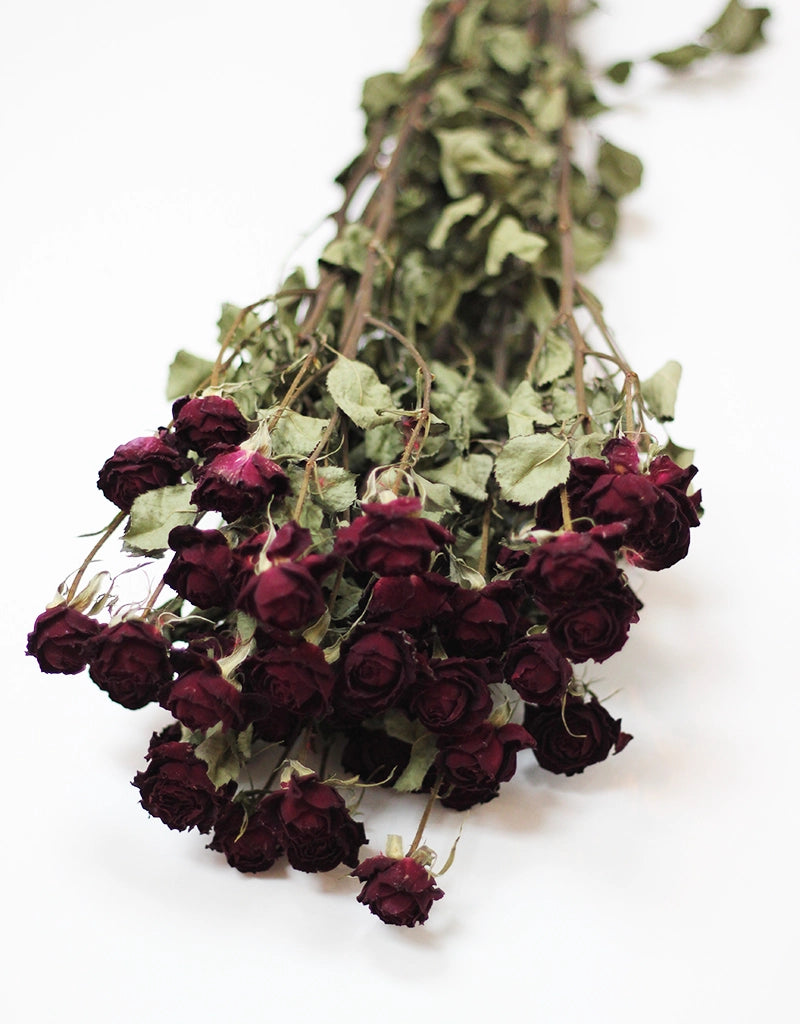
Why Dried Flowers Work Better on Multi-Day Shoots
Multi-day shoots demand props that can hold their nerve under pressure, repeat themselves perfectly, and look unchanged no matter how often the camera returns. Dried flowers meet those demands quietly and consistently, which is why they now feature so heavily across long-format productions.
-
Visual Continuity: Dried flowers maintain identical shape and colour across scenes filmed days or weeks apart.
-
Lighting Stability: They respond predictably under studio lights without wilting glare or unwanted colour shifts.
-
Reduced Reset Time: Arrangements return to position quickly without daily rebuilding or last-minute adjustments.
-
Climate Resistance: Heat, cold, and indoor conditions have minimal impact on dried florals during long shoots.
-
Handling Durability: Frequent movement between takes does not bruise petals or alter the structure of the decor.
-
Location Flexibility: They're ideal for location shoot props where climate control cannot be guaranteed.
-
Cost Control: They eliminate daily replacement spend across extended filming schedules.
-
Continuity Confidence: Art and continuity teams gain reliability without constant visual checks.
Period Dramas and Getting the Details Right

Period dramas leave no room for approximation. Every object on screen carries weight, and flowers are often read subconsciously as indicators of time, status, and setting. A single incorrect bloom can pull an audience out of the story faster than a missed accent.
This is where dried flowers earn their place among historical drama props. They echo the textures and tones seen in painted interiors, preserved arrangements, and archival references far more closely than modern fresh florals. This attention to detail is seen especially well in modern Regency dramas like Bridgerton, where flowers play an important role in defining the characters.
Details that production teams pay attention to:
• Muted colour palettes rather than bright modern tones
• Structured arrangements instead of loose contemporary styling
• Flowers that feel appropriate to the era rather than seasonally convenient
For period drama flowers, dried and preserved options offer consistency with historical references while avoiding the unpredictability of fresh supply. They allow production designers to focus on storytelling rather than troubleshooting.
The result is a set that feels grounded, believable, and visually coherent across every scene, even when filming stretches far beyond a single day.
Read Next: Bridgerton Meets Modern Weddings: Stunning Floral Installation Ideas

Flowers That Behave on Different Types of Sets: Dried and Preserved Flowers
Every set has its own temperament. Studio builds run hot under lights. Location shoots shift with weather and time. Heritage interiors demand restraint, while modern sets expose every detail in high definition. Flowers for filming need to adapt without complaint, and dried and preserved options do exactly that.
What makes them dependable across sets:
• They stay visually consistent under intense lighting
• They tolerate movement between scenes and spaces
• They avoid moisture, pollen, and shedding issues
• They remain stable during long reset windows
For TV production flowers and film props flowers in the UK, this reliability matters more than novelty. Dried and preserved florals behave like true props, predictable, repeatable, and easy to integrate into the wider set design without constant oversight.
The Best Dried Flowers For Set Design
Not every dried flower performs well under lights, lenses, and long hours on set. Some hold structure. Some soften scenes. Some exist purely to add depth without pulling focus. Production designers choose these flowers because they behave predictably on camera and support continuity across complex shoots.
Dried Gypsophila

Dried Gypsophila is a quiet workhorse on set. It adds volume and softness without demanding attention, which makes it ideal for background styling and layered arrangements. Under studio lighting, it reads clean and consistent, with no harsh shadows or colour shifts. For TV production flowers and continuity-sensitive scenes, gypsophila helps fill space while staying visually neutral.
Dried Pampas Grass

Dried pampas grass brings height, movement, and gentle drama to set design flowers. It works especially well in wide shots where scale matters. The feathery texture catches light beautifully without glare, and the stems hold their shape across long shoot days. Pampas is often used as a part of large wedding flowers or statement arrangements that need presence without density.
Preserved Eucalyptus

Preserved eucalyptus adds structure and flow in equal measure. Its natural curve breaks up rigid lines in modern interiors and balances heavier props in period sets. On camera, the muted green tones remain stable, which helps maintain continuity of flowers in film across multiple scenes. It also layers well with other dried elements without visual clutter.
Dried Mimosa

Dried mimosa introduces warmth and softness without overpowering a scene. The fine texture of this sunny summer flower reads gently on screen and works well in both historical drama props and contemporary interiors. Mimosa adds visual interest through texture rather than colour saturation, which makes it useful in close-ups and medium shots where subtlety matters.
Dried Lavender

Dried lavender offers structure, distinct memory, and a superbly classy feel. On set, it suits period drama flowers where authenticity and restraint matter. The slim stems hold their form, and the muted tones remain consistent under lights. Lavender also works well in grouped arrangements that appear repeatedly across shoot days.
Dried Bunny Tails

Dried bunny tails bring softness and movement without fragility. They are often used to lighten arrangements that might otherwise feel rigid or overly formal. On camera, their texture adds depth without distraction, which makes them valuable for set design flowers that sit near actors or in dialogue-heavy scenes.
Dried Palm and Structural Foliage

Dried palm spears and structured foliage help define direction and shape within arrangements. They suit architectural sets, urban flower arrangements, and modern productions where clean lines matter. These elements anchor compositions and ensure floral props remain visually consistent across wide shots and close framing.
Simple, Modern Arrangements for Contemporary Stories

Contemporary sets demand restraint, clarity, and intention, especially when the camera lingers on space, light, and silence as much as dialogue. Flowers here should support the story, not decorate it. Clean forms, limited palettes, and purposeful placement matter far more than abundance.
Modern productions often favour arrangements that feel designed rather than styled. Think of linear compositions, controlled height, and florals that echo architecture rather than soften it too much. Dried and preserved flowers work particularly well because they bring texture without visual noise and remain consistent across repeated takes.
What works best on modern sets
• Low-profile arrangements that do not interrupt sight lines
• Neutral tones with one subtle accent for depth
• Repetition of form rather than variation
• Florals that sit comfortably beside concrete, glass, and metal
For urban flower arrangements and contemporary narratives, simplicity reads as confidence. When flowers behave quietly, the story has room to breathe.

Why Order in Bulk for Bigger Productions
Large productions rarely need one arrangement. They need continuity across rooms, scenes, and shoot days. Ordering flowers in bulk allows production teams to plan ahead and avoid last-minute compromises that disrupt visual consistency.
Bulk sourcing dried flowers supports continuity in film by making sure that every arrangement matches in tone, texture, and scale. It also simplifies logistics for art departments that need reliable quantities delivered together rather than pieced together over time.
Why bulk ordering makes sense:
• Consistent look across multiple sets and locations
• Easier replacement or duplication when scenes repeat
• Better coordination between props and set design teams
• Reduced time spent sourcing during active shoot days
For film set flowers in the UK, bulk supply turns florals into dependable props rather than variable elements. It allows production designers to focus on storytelling while knowing the visual details will stay exactly as planned.

Storage, Transport, and Re-Use Between Shoot Days
On a working set, flowers rarely stay still. They move between rooms, locations, and lighting setups, often multiple times in a single day. This is where dried flowers quietly outperform fresh options without demanding extra attention from already stretched teams.
Dried and preserved florals tolerate packing, unpacking, and repositioning without losing shape or colour. They do not bruise easily, they do not shed unpredictably, and they do not require climate-controlled vans just to survive the journey.
What makes them practical behind the scenes:
• Easy storage in prop rooms without refrigeration
• Minimal packaging needs during transport
• Quick reset between scenes without rebuilding
• Reliable reuse across multiple shoot days
For location shoot props and studio sets alike, dried flowers reduce handling anxiety. They behave like true props, dependable, repeatable, and ready whenever the camera is.
Read Next: A Complete Guide To Caring For Your Dried Flowers & Preserved Foliage

How UK Productions Are Using Dried Flowers
Across film and television, dried flowers have moved from background styling to a deliberate production choice, valued for reliability, continuity, and visual control. They now appear quietly across sets where consistency matters more than novelty.
-
Background Set Dressing: Dried flowers sit naturally in living spaces without drawing focus or changing between takes.
-
Period Drama Interiors: Muted dried florals support historical accuracy while avoiding modern colours that break immersion.
-
Continuity-Sensitive Scenes: Identical arrangements appear across shoot days without visual drift or replacement issues.
-
Long-running TV Series: Dried flowers in TV shows rely on repeated use across episodes with no degradation.
-
Location Shoot Props: Lightweight dried arrangements travel easily between locations without climate control concerns.
-
High Traffic Sets: Flowers near actors and crew withstand movement, resets, and handling far better than fresh.
-
Modern Interior Sets: Clean dried designs complement contemporary spaces and urban flower arrangements without clutter.
-
Prop Department Efficiency: Film props' flowers that UK teams use reduce daily sourcing and reset time significantly.

What to Share with Your Supplier Before You Order
Before flowers ever arrive on set, the right information makes the difference between smooth continuity and quiet chaos. Dried flowers behave reliably, but only when they are sourced with context. Production teams that plan early tend to avoid last-minute compromises entirely.
Key details suppliers usually need
• Production type so flowers suit film, TV, or short format shoots
• Number of sets or scenes where flowers will appear repeatedly
• Shoot duration to plan quantities for reuse and backups
• General visual tone such as period, contemporary, or transitional
• Placement type including background props, tables, or architectural spaces
• Quantity ranges rather than exact counts to allow flexibility
• Delivery timelines aligned with prop department schedules
Clear communication upfront helps dried flowers function as true production assets. When everyone understands how and where flowers will be used, sourcing stays efficient and continuity stays intact.
Recommended Reads
-
Amaranthus vs Everything Else: Why Amaranthus is Popular in 2026
-
How to Choose a Reliable Commercial Dried Flower Supplier in the UK
- Can Dried Flowers Cause Allergies?
Conclusion
In modern film and television, flowers are no longer chosen for how they look at one perfect moment, but for how they perform across hours, days, and entire production schedules. From demanding studio lights to unpredictable location shoots, dried and preserved flowers have proven themselves as reliable set design tools that support storytelling rather than complicate it.
That is why production teams across the industry turn to Dried Flowers and Decor, one of the UK’s leading suppliers of dried flowers with a trusted 5-star Google rating. Our flowers are chosen for long-lasting quality, consistent appearance, and the ability to move seamlessly between scenes without losing form or colour. They look considered on camera and dependable behind it.
Planning an upcoming production and need dependable flowers that work as hard as your set does?
Explore our dried flower collections and source high-quality florals trusted by production teams across the UK for reliability, consistency, and visual impact.
FAQs
Why do film productions use dried flowers?
Film productions use dried flowers because they behave predictably under real set conditions. They hold their shape under hot lights, remain visually consistent across long shoot days, and reduce the need for daily replacements. For film set flowers in the UK, dried options act like dependable props rather than fragile decor, which makes them far easier to manage within tight schedules.
How do dried flowers help with continuity?
Continuity relies on objects looking identical from shot to shot, often filmed days or weeks apart. Dried flowers do not wilt, shift colour, or change form between takes. This consistency makes them ideal continuity flowers for film, especially when scenes are shot out of order or revisited multiple times.
What flowers are best for period dramas?
Period drama flowers need muted tones, natural textures, and historically appropriate forms. Dried lavender, gypsophila, preserved foliage, lunaria, and structural dried palms work well because they resemble arrangements seen in paintings and interiors rather than modern floral trends. These choices support historical drama props without drawing attention to themselves.
Can dried flowers look realistic on camera?
Yes, dried flowers read extremely well on camera when chosen correctly. Their textures catch light softly, and their colours remain stable under studio lighting. In many cases, dried flowers appear more controlled and believable on screen than fresh blooms that change throughout the day.
How much do production flowers cost?
Production flower costs vary based on scale, quantity, and shoot length. Dried flowers often reduce overall spend because they eliminate daily replacements and can be reused across scenes. For TV productions and film sets, cost efficiency comes from longevity rather than one-time visual impact.
Do dried flowers work for outdoor filming?
Dried flowers perform well outdoors in dry and mild conditions. They handle wind and temperature changes better than fresh blooms, which makes them useful for location shoot props. For prolonged exposure to rain, protective planning is still recommended, just as with any set prop.
How long do dried flowers last during filming?
Dried flowers can last for months on set without visible change when handled carefully. This makes them ideal for long shoots, reshoots, and productions that return to the same set repeatedly over time.
What is the lead time for production flower orders?
Lead time depends on quantity and availability, but production teams often plan dried flower orders earlier than fresh flowers. Early sourcing ascertains consistency across sets and allows for backups. Bulk planning also reduces last-minute sourcing issues during active shoot days.
Can dried flowers be reused across multiple scenes?
Yes, reuse is one of the biggest advantages. Dried flowers can move between scenes, sets, and shoot days without degradation. This flexibility makes them valuable film props in the UK, supporting both continuity and efficient production workflows.


